How to Read an Interior Designer’s Portfolio Before You Book a Consultation
One portfolio image may reflect separate contributions from the designer, architect, builder, stylist, and photographer. Before booking, determine who did what, whether the project resembles yours, and whether the portfolio shows the level of service you need. Otherwise, polished imagery can conceal a poor scope match or a technical gap.
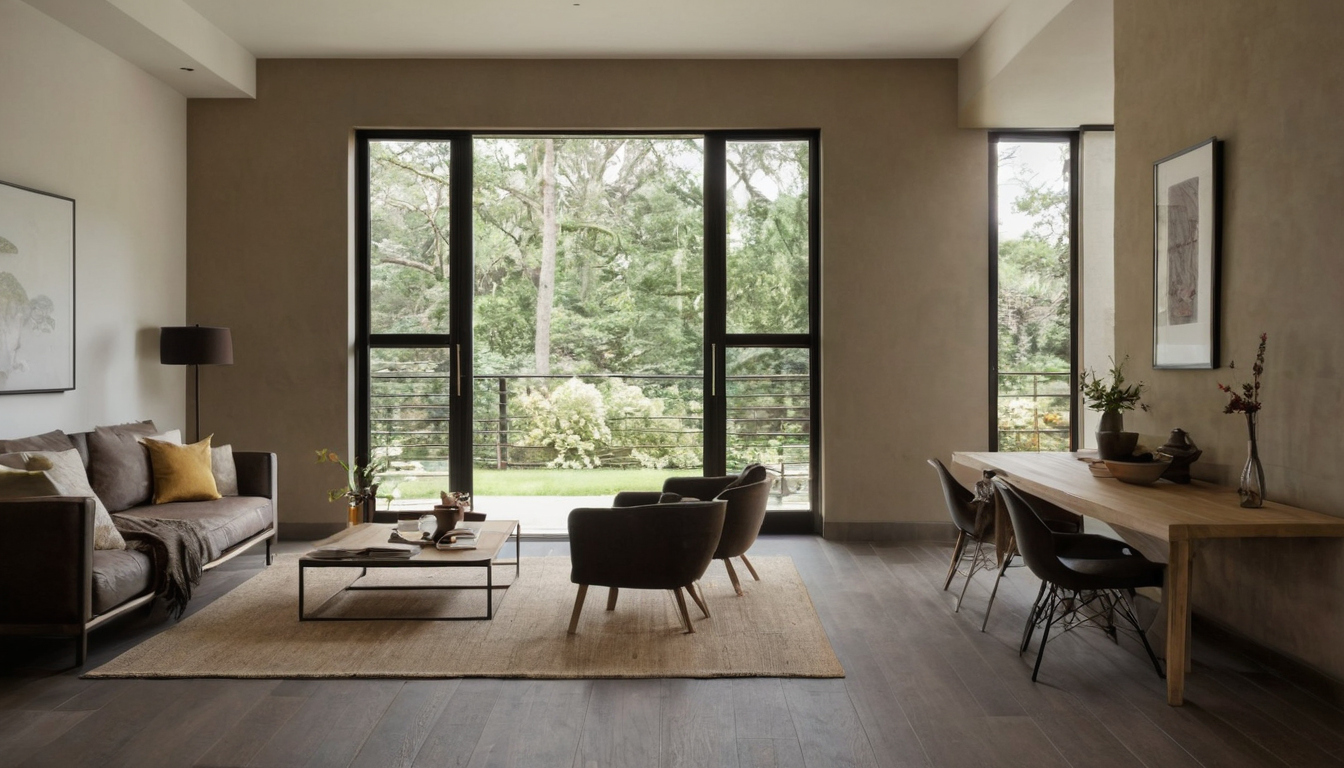
How to Read an Interior Designer’s Portfolio Before You Book a Consultation shown with finish, fixture, and clearance relationships visible.
What can an interior designer’s portfolio actually prove?
An interior designer’s portfolio can demonstrate selected experience, visual direction, project context, and stated outcomes. It cannot independently prove authorship, technical competence, budget control, client satisfaction, or permission to provide regulated services.
A portfolio is a screening tool rather than complete due diligence
| May show | Cannot establish alone |
|---|---|
| Property types, design language, apparent scale, stated role, accessibility responses, and completed outcomes | Fees, schedule performance, references, insurance, complaint history, credentials, or responsibility for every visible element |
O*NET describes interior designers as professionals who plan, design, and furnish practical and aesthetic interior spaces, but that occupational description is not a licensing rule. Likewise, seeing a 30 by 48-inch wheelchair clear space may indicate awareness of the 2010 ADA Standards, but one detail does not prove full compliance.
Title and qualification rules also vary. Illinois, for example, regulates the title “registered interior designer,” while IIDA Great Plains advocates education, experience, and NCIDQ examination requirements for regulated designers. Treat those as jurisdiction-specific rules and association positions. The next test is whether the documented work resembles your constraints, not merely your taste.
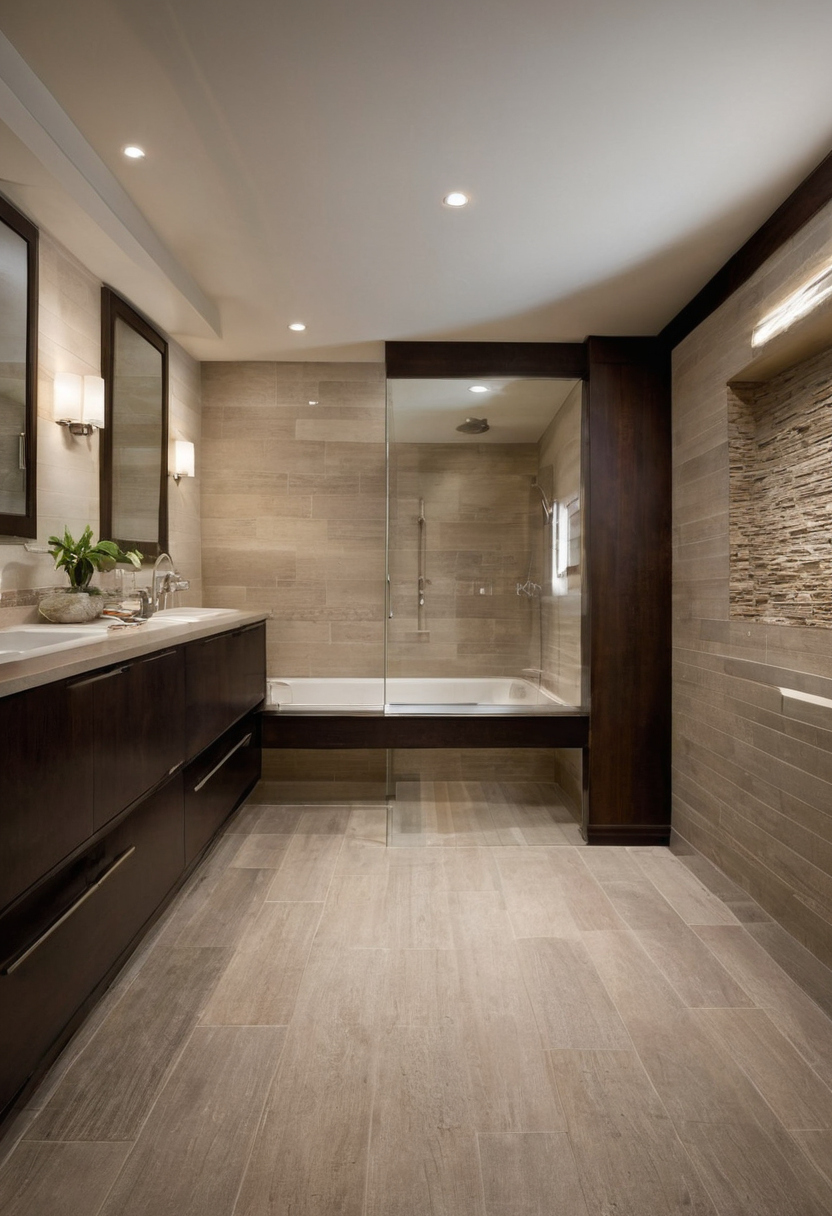
What can an interior designer’s portfolio actually prove shown as a planning reference for layout, scale, and material decisions.
The most relevant portfolio projects resemble your constraints, not just your taste
Compare your property, renovation intensity, occupancy, location, and requested service with documented projects. This identifies relevant experience before decorative similarity influences the decision.
Which project conditions should a prospective client compare first?
| Reader condition | Evidence to seek | Question if missing |
|---|---|---|
| Residence and room type | Comparable condominium, apartment, house, kitchen, bathroom, or living space | Which completed project is operationally closest? |
| Age and occupancy | Older-building investigations, phasing, protection, storage, and access planning | How would concealed conditions or occupied work be managed? |
| Renovation level and scale | Furnishing-only, partial renovation, construction work, room count, or fabrication complexity | Did the designer’s role extend beyond decoration? |
| Location and accessibility | Local approvals, trade coordination, circulation, clearances, and usability decisions | Who handles jurisdiction-specific and accessibility requirements? |
| Service scope and date | Consultation, documentation, procurement, site coordination, and a relevant completion date | Which services were personally provided, and is the example still comparable? |
Aesthetic similarity does not guarantee scope compatibility
Color and furniture choices do not establish capability in space planning, technical documentation, procurement, millwork, or construction coordination. Illinois law, for example, includes specified space-planning, finish, furnishing, fixture, equipment, and non-structural interior documentation activities while excluding structural and listed engineered-system changes. IIDA Great Plains reports a similarly bounded definition for Iowa registered interior design, subject to current Iowa law.
Performance claims also need context. ENERGY STAR says qualified LED lighting uses at least 75 percent less energy and lasts up to 25 times longer than incandescent lighting, but specifying an efficient lamp is different from designing and coordinating a lighting system. Likewise, CIDQ’s application process involves an eligibility route, transcripts, and experience verification when required; that credentialing process is not portfolio evidence for a particular project. Assess every comparison against the designer’s actual role.
Project credits reveal what the interior designer actually contributed
Inspect credits to separate the designer’s work from contributions by architects, builders, stylists, photographers, suppliers, team members, and previous employers.
How should readers interpret team projects and previous-employer work?
- Check the fields: design firm, named designer, role, architect, contractor, stylist, photographer, location, and completion year.
- Confirm responsibilities: concept development, drawings, specifications, selections, procurement, client communication, site reviews, or installation.
- Clarify status: determine whether the design was built as shown, revised by another party, or never completed.
- Separate technical responsibility: Illinois defines interior technical submissions within its statutory framework as designs, drawings, specifications, studies, reports, and calculations establishing project scope and quality standards.
For previous-employer work, ask what the named designer personally completed and whether the former firm receives clear credit. A professional directory such as the ASID Design Finder may help identify professionals, but directory presence does not settle project attribution.
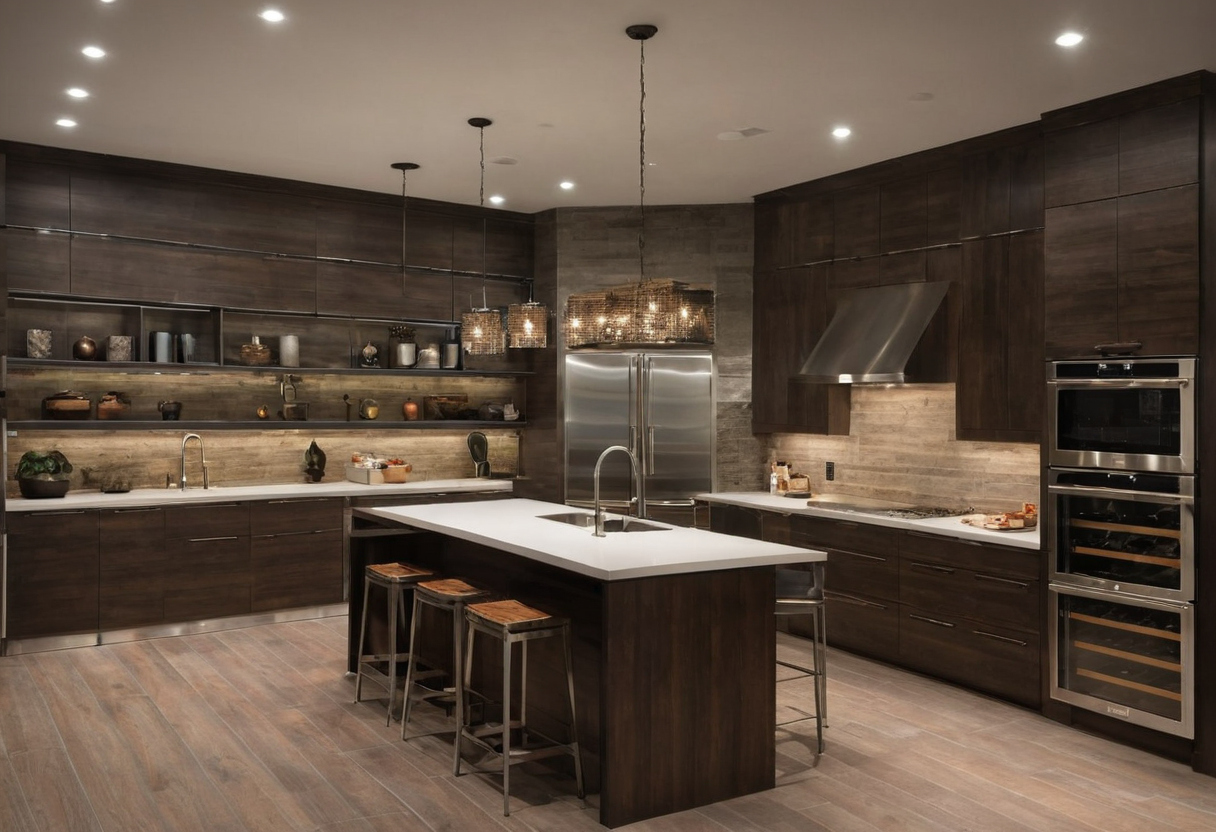
Project credits reveal what the interior designer actually contributed shown with finish, fixture, and clearance relationships visible.
Renderings and photographs provide different kinds of evidence
- Completed photographs: evidence of an installed outcome when captions and credits are clear.
- Progress images: evidence of site exposure and installation development.
- Renderings and drawings: evidence of design intent and communication, not completion.
- Mood boards and supplier imagery: evidence of selection direction unless installation is confirmed.
O*NET lists renderings separately from construction documents and completed-work inspection. A photographer credit identifies image authorship, not who designed or built the room. Once attribution is clear, examine the process behind the photographs.
Technical depth appears in process evidence, not polished room photographs alone
Test technical depth by matching the requested service with representative plans, elevations, schedules, specifications, revisions, and process explanations. Complete or confidential files are unnecessary.
Which portfolio documents should match the requested service?
- Consultation: annotated photographs, recommendations, a concept summary, or a prioritized action plan.
- Furnishing and procurement: furniture plans, mood boards, specifications, budgets, procurement updates, and installation photographs.
- Kitchen or bathroom renovation: dimensioned plans, elevations, finish schedules, fixture specifications, lighting information, and revisions.
- Custom millwork: elevations, sections, hardware notes, material specifications, details, and shop-drawing review.
- Construction coordination: coordinated drawings, site notes, revisions, and explanations of work with architects, engineers, contractors, and trades.
O*NET reports that interior-design tasks may include CAD documentation, shop-drawing review, code research, accessibility planning, multidisciplinary coordination, and inspection against design plans. Those examples indicate possible experience, not authorship, competence, or authority on a specific project. Readers should compare full-service interior design with a consultation before deciding how much evidence is reasonable.
Legal authority remains jurisdiction-specific. IIDA New England distinguishes practice acts from protected-title systems and notes that professionals in some unregulated jurisdictions may need architects or engineers to prepare or stamp permit submissions. IIDA Great Plains describes Iowa registration as voluntary, subject to verification against current law. Illinois separately excludes structural engineering, professional engineering, land surveying, and generally architectural services from registered interior-design practice.
Before-and-after images need an explanation of the design problem
Record the original condition, client requirement, physical constraint, stated intervention, implementation responsibility, and final status. Accessibility claims need applicable evidence. Where the 2010 ADA Standards govern dining or work surfaces, for example, the specified height is 28 to 34 inches above the finish floor. Technical samples improve confidence, but credentials and references must complete the review.
Credentials, references, and business checks must supplement the portfolio
Verify qualifications, business identity, references, insurance, and professional standing according to the project location and scope. Degrees, certifications, registrations, licenses, memberships, and business records establish different facts.
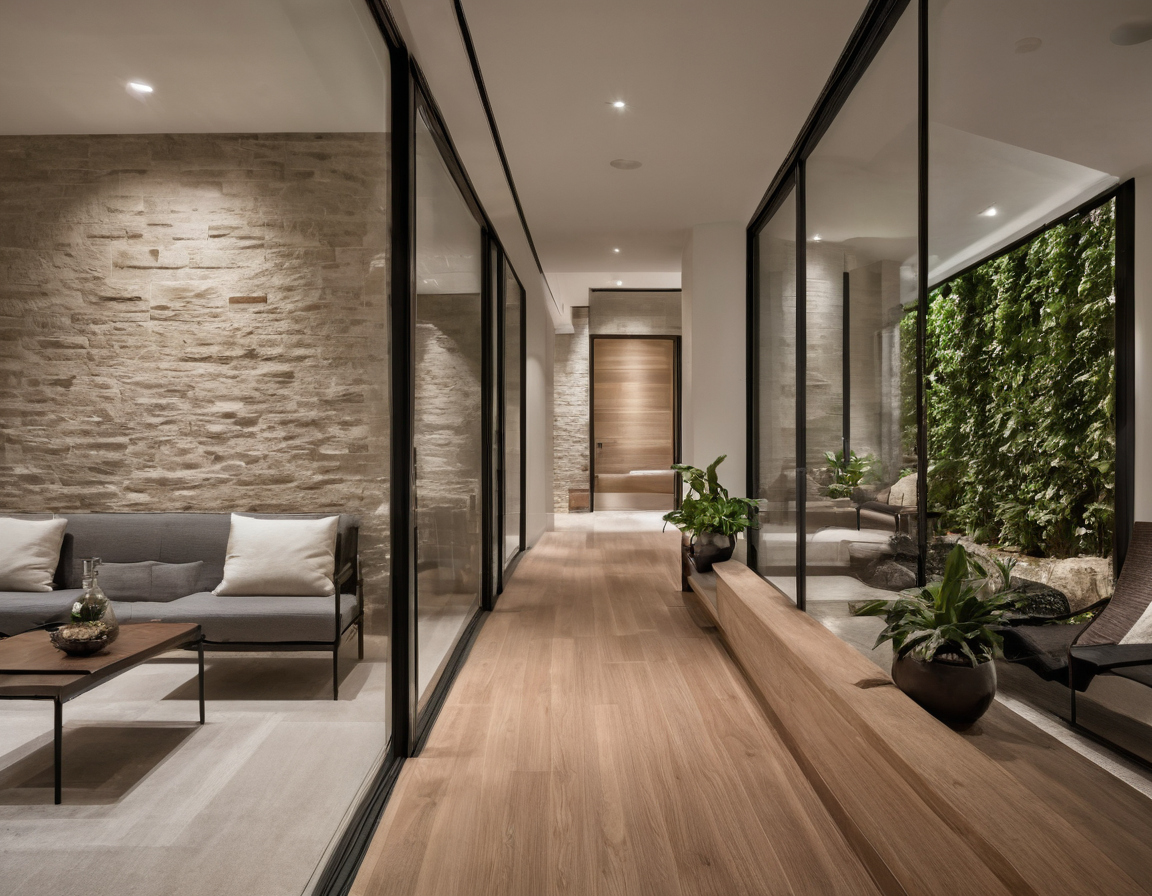
Credentials, references, and business checks must supplement the portfolio shown with floor, wall, and fixture relationships visible.
Which interior-design qualifications matter in the project jurisdiction?
CIDQ administers the three-part NCIDQ Examination to assess core professional competencies related to safe and functional practice. IIDA New England describes NCIDQ certification as reflecting education, experience, and examination standards and reported that regulated United States and Canadian jurisdictions required the examination except California at publication. Current regulator requirements must still be checked because certification does not itself grant universal practice rights.
- Confirm the legal business name and registration status.
- Verify required licenses, registrations, protected titles, or permit privileges with the current regulator.
- Request relevant insurance information.
- Search official complaint or disciplinary records where available.
- Treat reviews, testimonials, association membership, and platform badges as supporting context.
What should a prospective client ask professional references?
- How similar was the project in scope and complexity?
- How clearly did the designer communicate responsibilities?
- How were changes, approvals, and site problems managed?
- How were procurement delays or substitutions reported?
- How regularly were schedule and budget positions discussed?
- What remained incomplete at handover, and how was it resolved?
Record unresolved qualification and reference gaps for the consultation shortlist.
A portfolio review should end with a focused consultation shortlist
Shortlist designers with sufficiently relevant work, then convert every uncertainty into a focused question about scope, process, communication, budget, or responsibility.
- Project relevance: comparable property, constraints, and scale
- Role clarity: confirmed personal and team contributions
- Technical evidence: documents suited to the requested service
- Process clarity: visible stages, revisions, and approvals
- Applicable qualifications: suitable for the jurisdiction
- Reference readiness: relevant contacts available
- Communication fit: clear and direct explanations
Which portfolio questions belong in the initial consultation?
Ask which showcased project is most comparable and why. Confirm the designer’s role, documents, procurement responsibility, collaborators, revisions, site involvement, and proposed deliverable. O*NET identifies client budget, purpose, function, cost estimates, and design approval as relevant task areas. Before discussing financial comparability, build an interior design budget before requesting quotes.
Which portfolio warning signs justify further verification?
Clarify unlabeled renderings, missing credits, limited photography, former-employer restrictions, or confidentiality-related omissions. Treat unverifiable credentials, unsupported capability claims, incompatible property experience, insufficient technical scope, or missing jurisdictional authority as material reasons to revise the shortlist. The goal is not to find a flawless portfolio. It is to book only when the available evidence supports a productive consultation.
Frequently asked questions
How many comparable projects should an interior designer’s portfolio include before I book a consultation?
No fixed number proves suitability. One well-documented comparable project may be more useful than many unrelated rooms. Seek enough evidence to identify a repeatable role, process, and capability, then ask about unshown work.
How can I tell whether portfolio images show completed interiors or design renderings?
Look for explicit labels, photograph and collaborator credits, completion dates, progress images, and consistent views of the installed room. Ask directly when an image could be either a photograph or a rendering.
Should the 3-5-7 rule or the 70/30 rule affect how I evaluate a portfolio?
No decorative proportion rule can establish project relevance, authorship, technical competence, or service capability. Use such rules only to discuss visual preferences.
What is the difference between reviewing a professional and a student portfolio?
A student portfolio commonly emphasizes concepts, drawings, renderings, and developing skills. A professional review should place more weight on completed work, defined responsibilities, implementation evidence, collaborators, references, and applicable qualifications.
What should I ask if the portfolio does not show my property type or scope?
Ask whether comparable work is unavailable because of confidentiality, former-employer restrictions, or limited photography. Request a relevant process explanation or redacted sample. If the designer cannot show or explain transferable experience, treat the gap as a material mismatch rather than assuming capability.